A domain name may seem simple, but the system behind it is structured, regulated, and layered. Many assume that registering a domain gives them full control, yet ownership and authority are distributed among different entities. Misunderstanding these roles can lead to confusion about rights, access, and responsibilities.
This article will explore the roles of a domain registry, registrar, and registrant, showing how authority is divided, how these entities interact, and how governance and security influence the domain registration process.
Key Takeaway:
A domain registry manages top-level domains and maintains the authoritative database; a registrar provides users with access to register and manage domains; and a registrant holds the legal rights to use a domain. Each role is distinct, and understanding these responsibilities helps prevent mistakes in ownership, control, and management. Proper domain management requires following registry policies, using registrar tools correctly, and securing registrant information.
The Hidden Structure Behind Every Domain Name
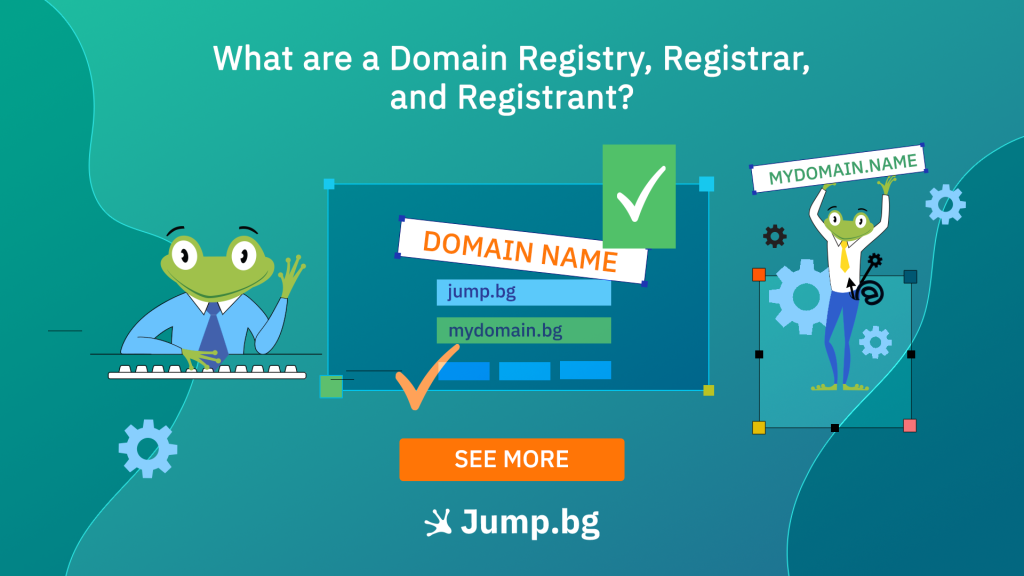
The domain name system functions as a coordinated network rather than a single service, with clear roles assigned at each level to keep names unique and accessible worldwide. At the top, domain registries oversee specific extensions, such as .com, .org, or .net, maintaining the authoritative database for each. Registrars operate beneath them, providing the platforms that let individuals and businesses search for and register names. At the end of the chain are the registrants, the people or organizations who use these domains for websites, applications, or other online services.
This division of responsibilities prevents any single entity from controlling the entire system, supporting stability, reliability, and global scalability while ensuring that ownership, access, and governance remain clearly defined across the network.
Domain Registry: The Authority Behind Top-Level Domains
A domain registry is responsible for managing a specific top-level domain (TLD) and maintaining its official database of all registered names. Beyond simply keeping records, registries define the technical standards and operational rules that ensure each function correctly within the global DNS network.
Registries set policies for allocation, wholesale pricing, and registration eligibility, while operating the infrastructure that stores and propagates domain information across the internet. They also play a critical role in security and reliability, implementing measures to prevent conflicts, downtime, or misuse within their TLD.
For example, the .com registry oversees all domains ending with that extension and coordinates with registrars that handle public sales. While registries do not sell directly to users, their decisions and technical management directly affect how domains are registered, maintained, and resolved worldwide.
Domain Registrar: The Access Layer for Domain Acquisition
A domain registrar serves as the intermediary between users and registries, providing the tools and services that make acquiring and managing domains straightforward. Through registrars, individuals and businesses can search for available names, register domains, configure DNS settings, and handle renewals, all without interacting directly with the registry infrastructure.
Registrars simplify the technical processes involved in management, offering interfaces, dashboards, and customer support that make registration, transfers, and bulk management accessible. They also ensure compliance with registry policies and industry standards, including ICANN regulations, and maintain relationships with multiple registries to provide a broad selection of top-level domains.
Although registrars facilitate access and management, they do not own the domains themselves. Their role is operational and service-focused, bridging the gap between registries and users while keeping administration reliable, secure, and user-friendly.
Domain Registrant: Ownership, Rights, and Limitations
The domain registrant is the individual or organization that legally registers a domain name and holds the right to use it for the duration of the registration, typically through annual or multi-year agreements. While registrants have authority, this ownership is conditional and subject to the rules set by registries, registrars, and regulatory bodies.
Registrants can use, transfer, or renew their domains, but failure to comply with policies or to maintain timely renewals can result in suspension, loss of access, or even release back into the market. Their information is recorded in databases such as WHOIS, which links domain names to their owners, providing accountability and a mechanism for dispute resolution. At the same time, registrants must consider privacy and data protection, as publicly listed information can be accessed by others.
Practical responsibilities also include monitoring renewal dates, securely managing DNS settings, and ensuring that domain use does not infringe on trademarks or other legal restrictions. These obligations ensure that registrants can fully exercise their rights while maintaining the integrity and reliability of the domain name system.
How Control Flows in Domain Registration
Control within the domain name system follows a structured interaction among the registrant, the registrar, and the registry. When a domain is registered, the registrar submits the information to the registry, which records it in its authoritative database and makes it part of the global system.
Any updates made by the registrant, such as modifying DNS records, transferring, or renewing, are routed through the registrar, which then communicates the changes to the registry. This indirect flow ensures consistency, prevents errors, and maintains the integrity of the global infrastructure.
By separating authority, access, and ownership in this way, the system allows registrants to manage their domains efficiently while registries retain centralized control over the TLDs. This design supports reliability, security, and scalability across the internet.
Where Confusion Happens
Common misunderstandings include:
- Full ownership assumption: Choosing and purchasing a domain grants usage rights, not absolute ownership like physical property.
- Registrar ownership confusion: The registrar manages the account interface and tools, but does not own the domain.
- Account control vs. legal ownership: Access to a registrar account allows management, but the registrant listed in official records remains the recognized owner.
- Implications for disputes or transfers: Misunderstanding these distinctions can lead to issues in transfers or conflict resolution.
Privacy, Data, and Risk in Domain Registration
Domain registration involves collecting and storing registrant information, which is often accessible through WHOIS databases. While this transparency ensures accountability, it can also expose personal or business data if not managed carefully. To address this, many registrars offer privacy protection services that mask registrant details while maintaining regulatory compliance.
Security risks are another consideration, including unauthorized transfers, hijacking, or account compromise. Strong account security, domain locking features, and proper verification processes are essential for protecting ownership rights. By understanding these risks and taking appropriate measures, registrants can safeguard their domains and ensure responsible management.
The Regulatory Layer: Why ICANN Exists
The domain name system relies on global coordination to ensure stability, consistency, and fair access. The Internet Corporation for Assigned Names and Numbers (ICANN) provides this oversight, establishing the rules and standards that govern registries, registrars, and registrants.
ICANN accredits registrars, sets policies for management, and oversees dispute resolution processes. It also ensures that registries operate according to technical and operational standards, promoting transparency and accountability across the domain ecosystem.
By providing a central regulatory framework, ICANN helps prevent conflicts over ownership, enforces compliance with established rules, and maintains the reliability and global interoperability of the internet’s naming system.
Managing a domain may seem straightforward, but it involves layers of authority, access, and ownership that can be easy to overlook. Understanding the roles of registries, registrars, and registrants helps you avoid mistakes and ensures that it remains secure and fully under your control.
If you ever have questions or need guidance on registering, transferring, or managing a domain, our team is here to help. Contact us anytime at support@jump.bg. Our experts are available 24/7/365 to make domain management simple and worry-free.

![[Updated] Urgent PHP Fix: Two Critical Vulnerabilities, Update Your Site](https://www.jump.bg/wordpress/wp-content/uploads/2026/10/PHP-Critical-Security-Release-October-2026-1-300x169.jpg)